

Table of Contents
- Introduction
- Scenario 1: Sales Team Promises What Inventory Cannot Deliver
- Scenario 2: Finance Teams Spend Days Preparing Reports
- Scenario 3: Inventory Managers Cannot Predict Stock Demand
- Scenario 4: Operations Lack Visibility Across Departments
- Scenario 5: Business Growth Creates System Limitations
- Why Scenario-Based ERP Planning Matters
- How Gigatorb Software Pvt Ltd Helps Businesses Solve These Problems
- Related Services and Industry Playbooks
- Conclusion
Introduction
Many ERP articles focus only on features, but businesses rarely adopt ERP systems because of features alone. They adopt them because of operational problems. As companies grow, spreadsheets, disconnected software tools, and manual processes begin to break down. Finance teams struggle with reporting, inventory teams lose visibility of stock levels, and management lacks real-time insights into the business.
This article explores real-world operational scenarios that organizations face before implementing Microsoft Dynamics 365 Business Central and how the platform solves these problems.
Scenario 1: Sales Team Promises What Inventory Cannot Deliver
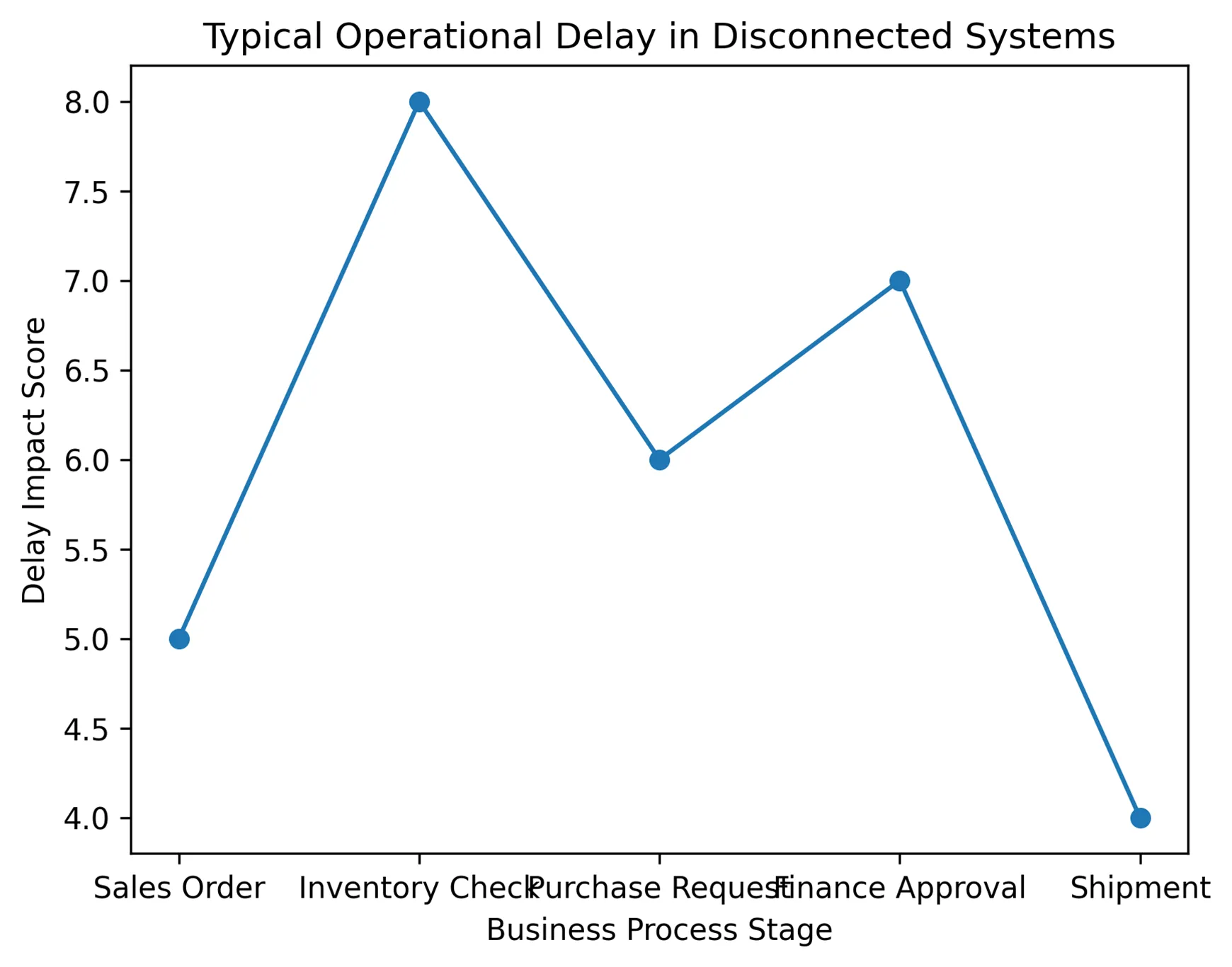
In many growing businesses, the sales team operates independently from the inventory system. When a sales order is created, the team assumes that inventory is available. However, the warehouse may not have sufficient stock, leading to delayed deliveries, unhappy customers, and lost trust.
Because sales, inventory, and procurement operate in separate systems, employees often rely on phone calls, emails, or spreadsheets to verify stock availability.
With Business Central, the moment a sales order is entered, the system checks real-time inventory availability. If stock is insufficient, the system can automatically trigger procurement or suggest alternative fulfillment options.
Scenario 2: Finance Teams Spend Days Preparing Reports
In traditional systems, finance teams often export data from multiple applications into Excel before creating financial reports. Month-end closing may take several days because accountants must reconcile data across systems.
This leads to delayed decision-making, as management receives financial insights only after reports are manually compiled.
Business Central solves this problem by providing a centralized general ledger with real-time financial data. Executives can view financial dashboards instantly, and finance teams can generate reports without manual consolidation.
Scenario 3: Inventory Managers Cannot Predict Stock Demand
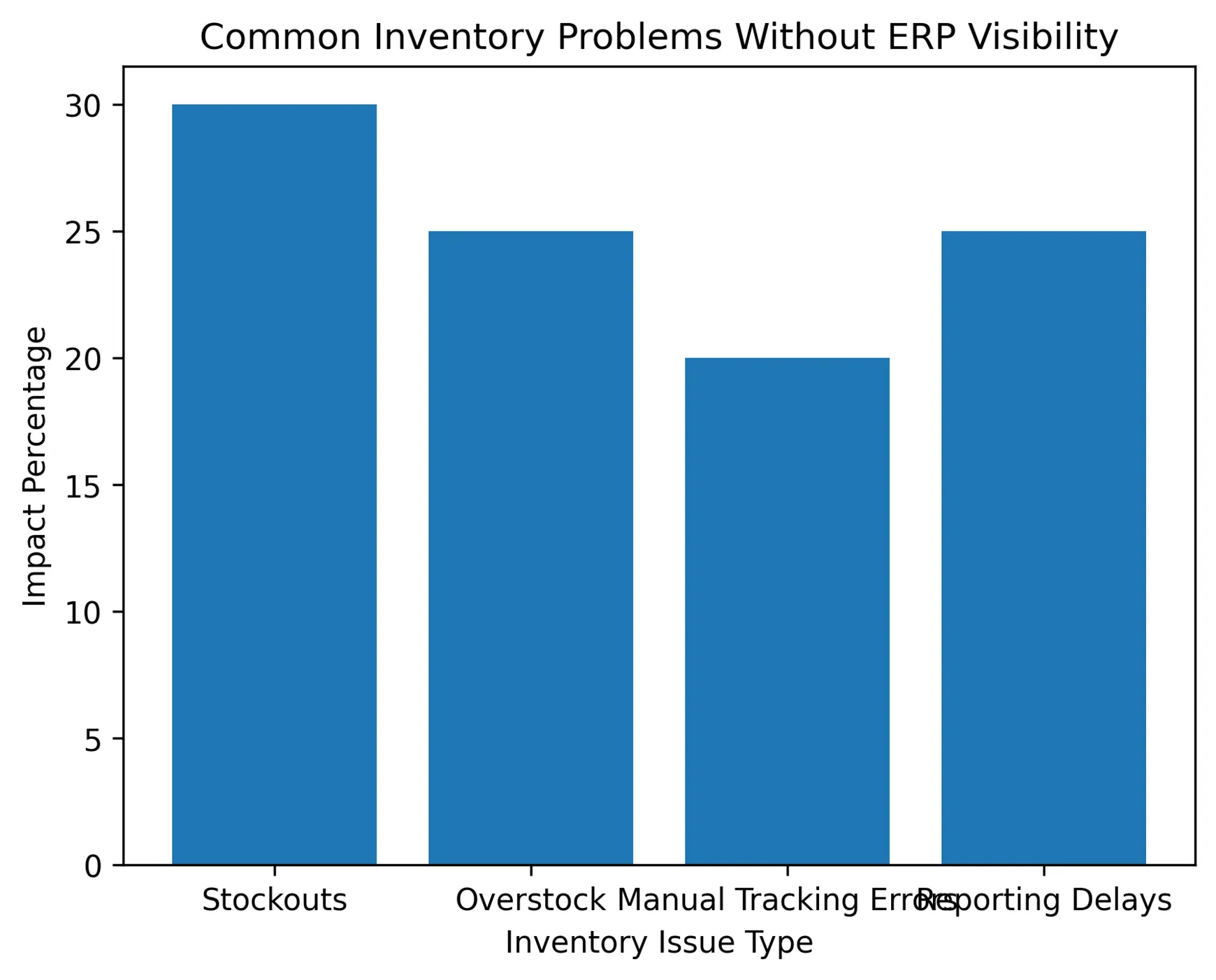
Inventory management becomes complex as product catalogs expand and businesses operate across multiple locations. Without accurate forecasting tools, companies either overstock products or run out of inventory during peak demand.
Business Central includes demand forecasting tools that analyze historical sales data and predict future demand. This allows businesses to maintain optimal stock levels while reducing inventory carrying costs.
Scenario 4: Operations Lack Visibility Across Departments
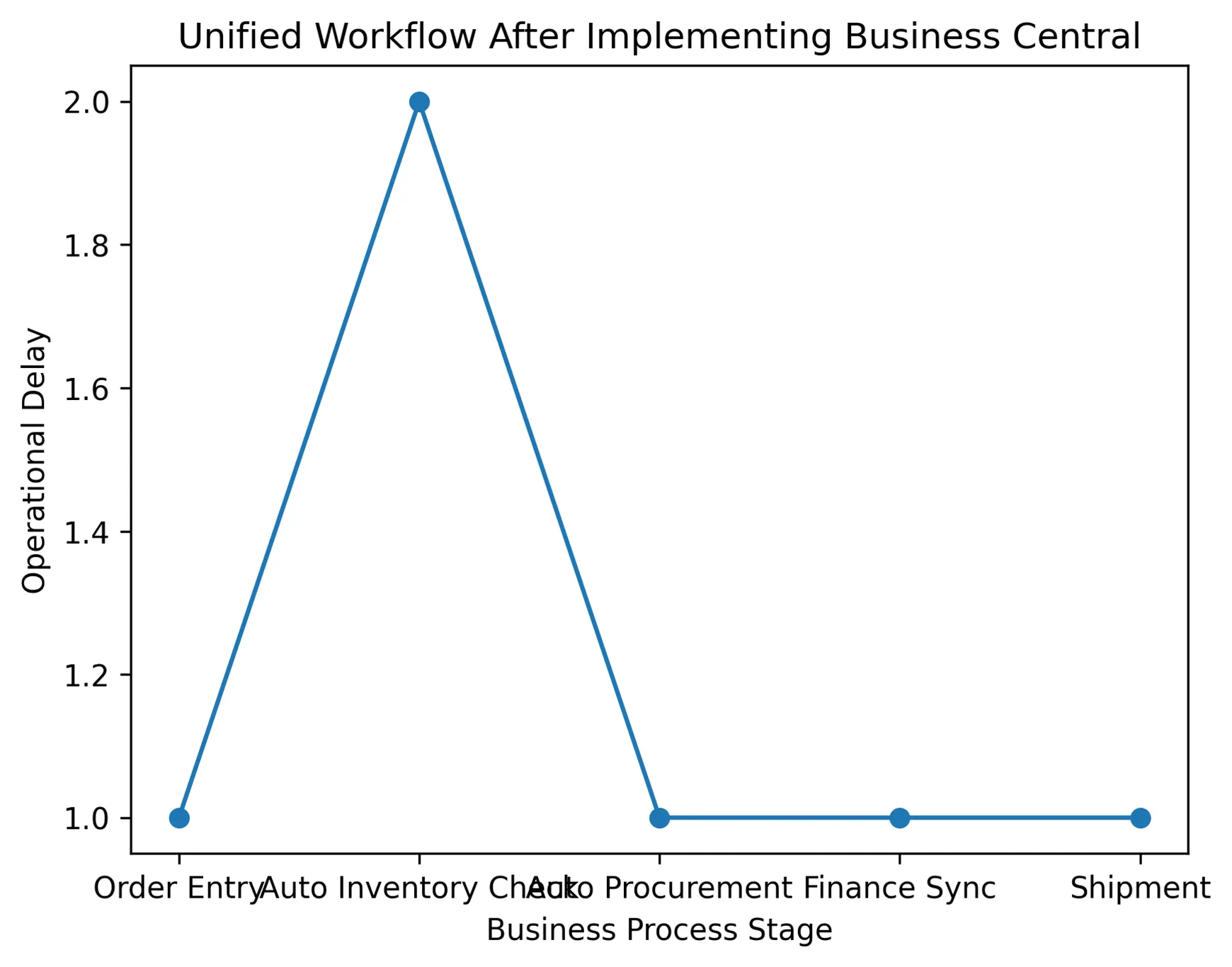
One of the biggest operational problems in growing organizations is fragmented information. Sales data lives in CRM software, financial data lives in accounting software, and inventory is managed in separate warehouse systems.
This fragmentation leads to inconsistent reporting, operational delays, and decision-making based on incomplete information.
Microsoft Dynamics 365 Business Central unifies finance, sales, purchasing, and inventory management within a single ERP platform. This ensures that every department works with the same real-time data.
Scenario 5: Business Growth Creates System Limitations
Many businesses initially start with basic accounting tools or standalone CRM systems. However, as operations scale, these tools become difficult to manage. Organizations begin to struggle with multi-location inventory, complex financial reporting, and compliance requirements.
Business Central provides a scalable cloud ERP architecture capable of supporting multi-company operations, international financial compliance, and advanced reporting capabilities.
Why Scenario-Based ERP Planning Matters
ERP implementation should not begin with software features. Instead, it should begin with business problems. Organizations that identify operational pain points first can design ERP systems that truly improve productivity.
Scenario-based ERP planning ensures that system implementation focuses on real operational outcomes such as faster order fulfillment, accurate financial reporting, and improved inventory management.
How Gigatorb Software Pvt Ltd Helps Businesses Solve These Problems
Gigatorb Software Pvt Ltd works closely with organizations to identify operational bottlenecks before implementing Microsoft Dynamics 365 Business Central. Our consultants analyze existing business processes, design optimized ERP workflows, and implement customized solutions tailored to each organization’s operational structure.
Our services include:
- Business Central implementation
- Data migration
- Custom extension development
- System integration
- Long-term ERP performance optimization
Related Services and Industry Playbooks
- Business Central implementation services to eliminate silos across finance, inventory, and sales.
- Business Central for Nonprofit organizations for transparent reporting and governance.
- Business Central for Retail & e-commerce for unified stock visibility and faster order cycles.
Conclusion
ERP systems should not be viewed simply as software platforms. They are strategic tools designed to eliminate operational inefficiencies. Microsoft Dynamics 365 Business Central helps organizations solve real business problems by connecting finance, operations, inventory, and sales into a single intelligent system.
Companies that adopt scenario-driven ERP strategies gain faster decision-making capabilities, improved operational visibility, and scalable infrastructure for long-term growth.
Ready to Transform Your ERP?
Connect with Gigatorb Software Pvt Ltd for a free consultation.
Book a Free Consultation